2 min read
Juneteenth 2026: The History of Zydeco Music and Ways to Celebrate
Archbright Team Member
:
Jun 16, 2026 3:00:00 PM
This resource is written and presented by Archbright's BIPOC Business Resource Group.
Juneteenth celebrations in Texas often feature parades, trail rides, barbecues, and lively gatherings. Providing the soundtrack to many of these events is Zydeco, a musical genre deeply rooted in the cultural history of Louisiana and Texas.
To set the tone for this piece, play this music while you read.
Zydeco History
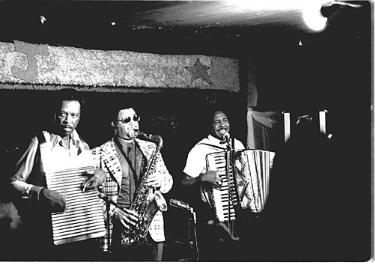
Zydeco originated from Cajun and Black Creole folk traditions, evolving from the lively, dance-driven “la la” gatherings—informal parties held after children were put to bed. Closely connected to early Cajun music, Zydeco reflects a shared cultural exchange, as Cajun and Creole communities often lived near one another and influenced each other’s sound.
Like the Blues, Zydeco became a way for artists to express both hardship and joy—capturing experiences of poverty and discrimination alongside a deep sense of community. The term “Zydeco” is believed to come from the Cajun song “Les Haricots Sont Pas Salés” (“the snap beans are not salty”), a reference to hard times. Over time, Zydeco has incorporated elements of rhythm and blues, rock and roll, and Black church music, shaping the vibrant, layered sound we hear today.
The Instrumentation of Zydeco
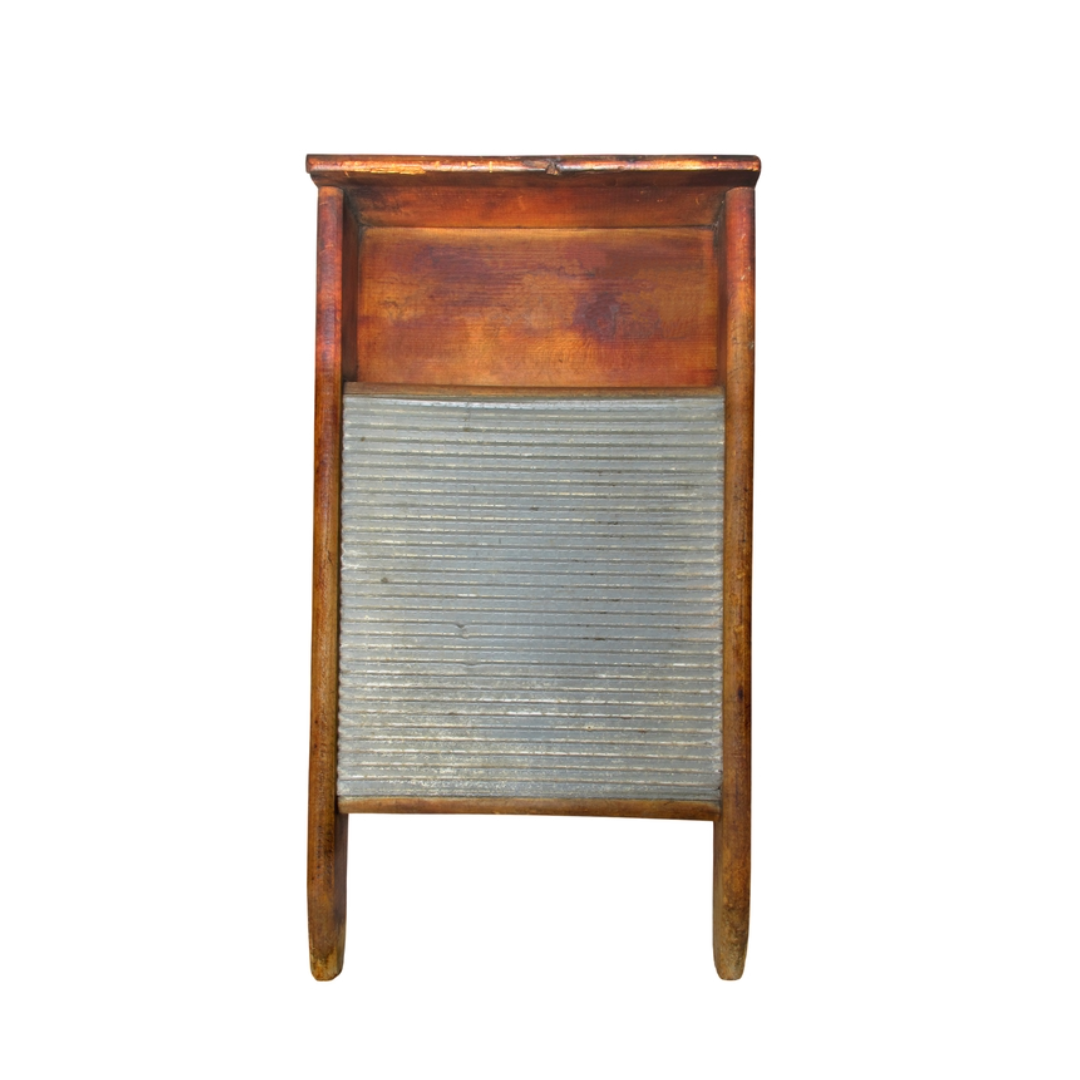
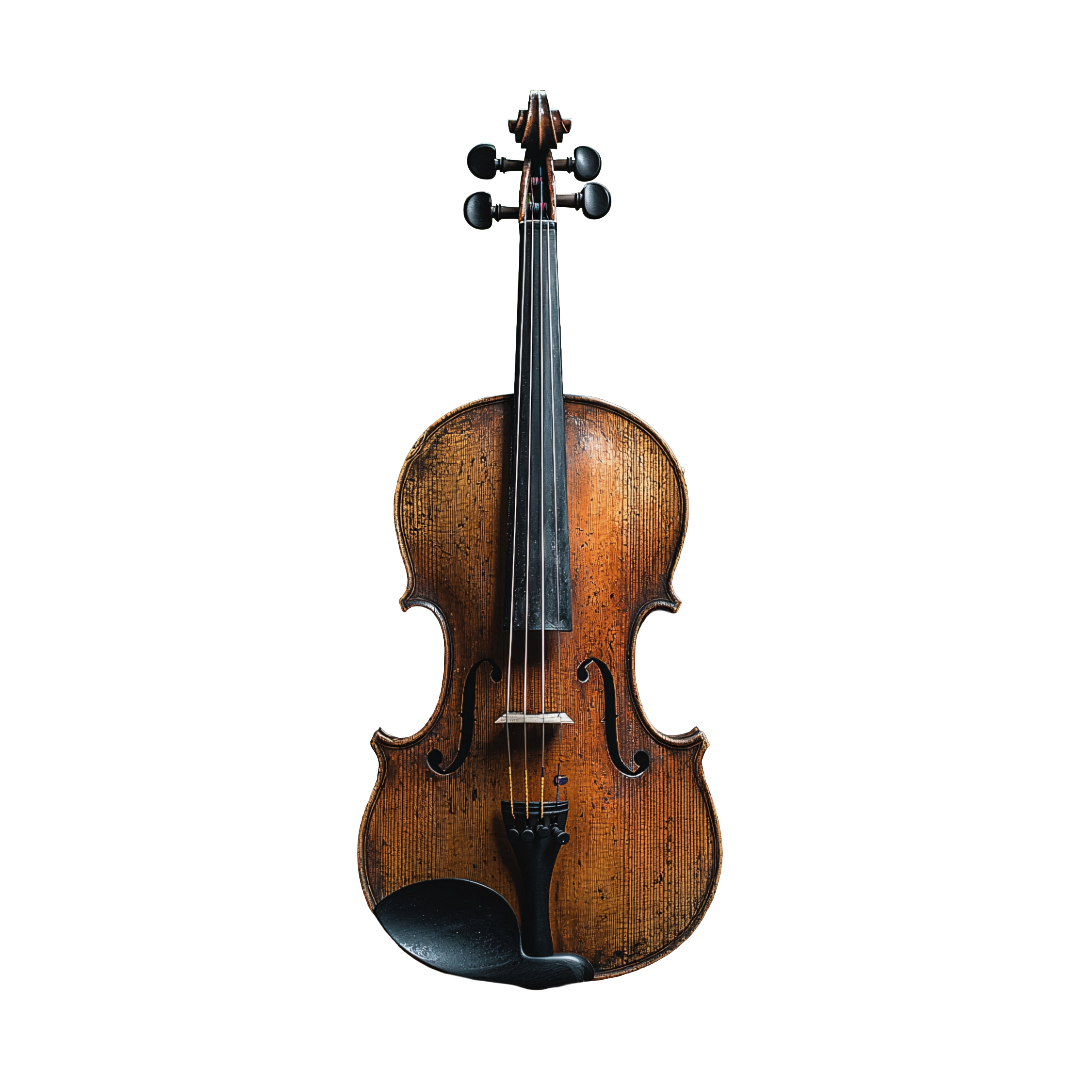
Zydeco’s distinct sound comes from a mix of traditional and modern instruments. The diatonic (button) accordion is a staple, though musicians such as Clifton Chenier helped popularize the piano accordion. The washboard, or frottoir, and fiddle are also central to traditional Creole music. Cleveland Chenier, Clifton’s brother, advanced the modern use of the metal washboard by designing it to be worn across the shoulders. Today, many Zydeco bands incorporate brass instruments and electric guitars, reflecting the genre’s strong rhythm and blues influences.
-
Washboard (also known as a Frottoir) -
Fiddle (or Violin)
Popular Zydeco Musicians
Clifton Chenier, the self-proclaimed “King of Zydeco,” helped define the genre’s modern sound. Born in 1925 to a musical family, he popularized the piano accordion and gained recognition with his hit “Ay Tete Fee,” touring widely throughout his career. His influence carried into artists like Wilson “Boozoo” Chavis, who returned to Zydeco’s Creole roots with the diatonic accordion. His song “Paper in My Shoe” is often cited as one of the earliest Zydeco recordings. Stanley “Buckwheat Zydeco” Dural Jr. later brought the genre to mainstream audiences, achieving broader commercial success and performing alongside artists like Eric Clapton and Willie Nelson.
Ways to Celebrate Juneteenth In Your Workplace
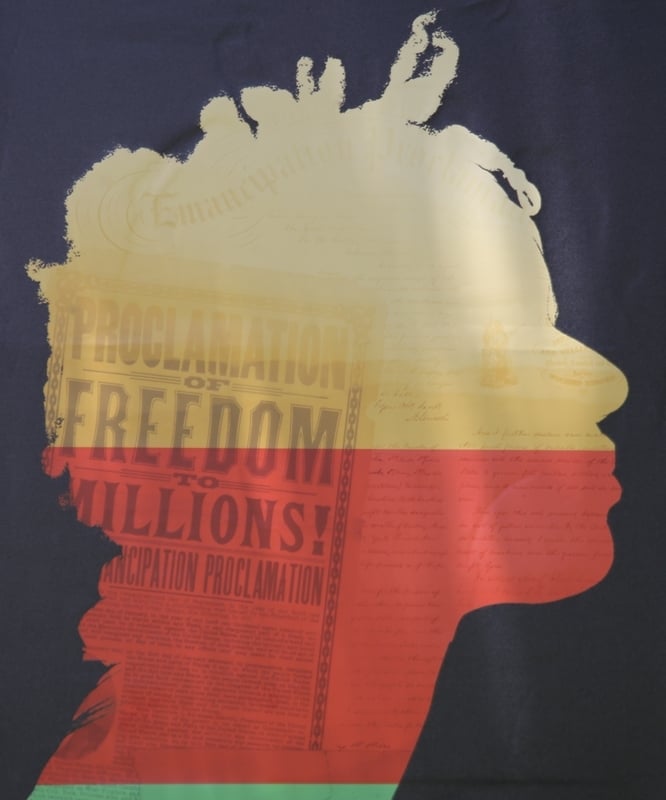
Zydeco’s rich, evolving sound remains closely tied to Juneteenth celebrations. As organizations commemorate Juneteenth, recognizing cultural traditions like Zydeco offers a meaningful way to honor history, celebrate resilience, and build a more inclusive workplace.
Listen to more Zydeco Music
Paper In My Shoe – Boozoo Chavis, Live recording
Sound of Zydeco Playlist on Spotify
The Best of Zydeco on Apple Music
Share and Attend Juneteenth Celebrations in Greater Seattle
6/18: 25th Annual Juneteenth Celebration, Rainer Beach Community Center
6/19: Seattle Juneteenth: Meet Us On The Yard, The Union Downtown Seattle
6/19: Juneteenth WA: The Largest Juneteenth Celebration in WA State, Haub Family Field, Tacoma
Related Articles from Archbright
Juneteenth: Its Significance and How to Recognize the Holiday at Work
Juneteenth, celebrated each year on June 19, is a day to commemorate the end of slavery in the United States. Read on for ways to recognize and celebrate the holiday in your workplace.